
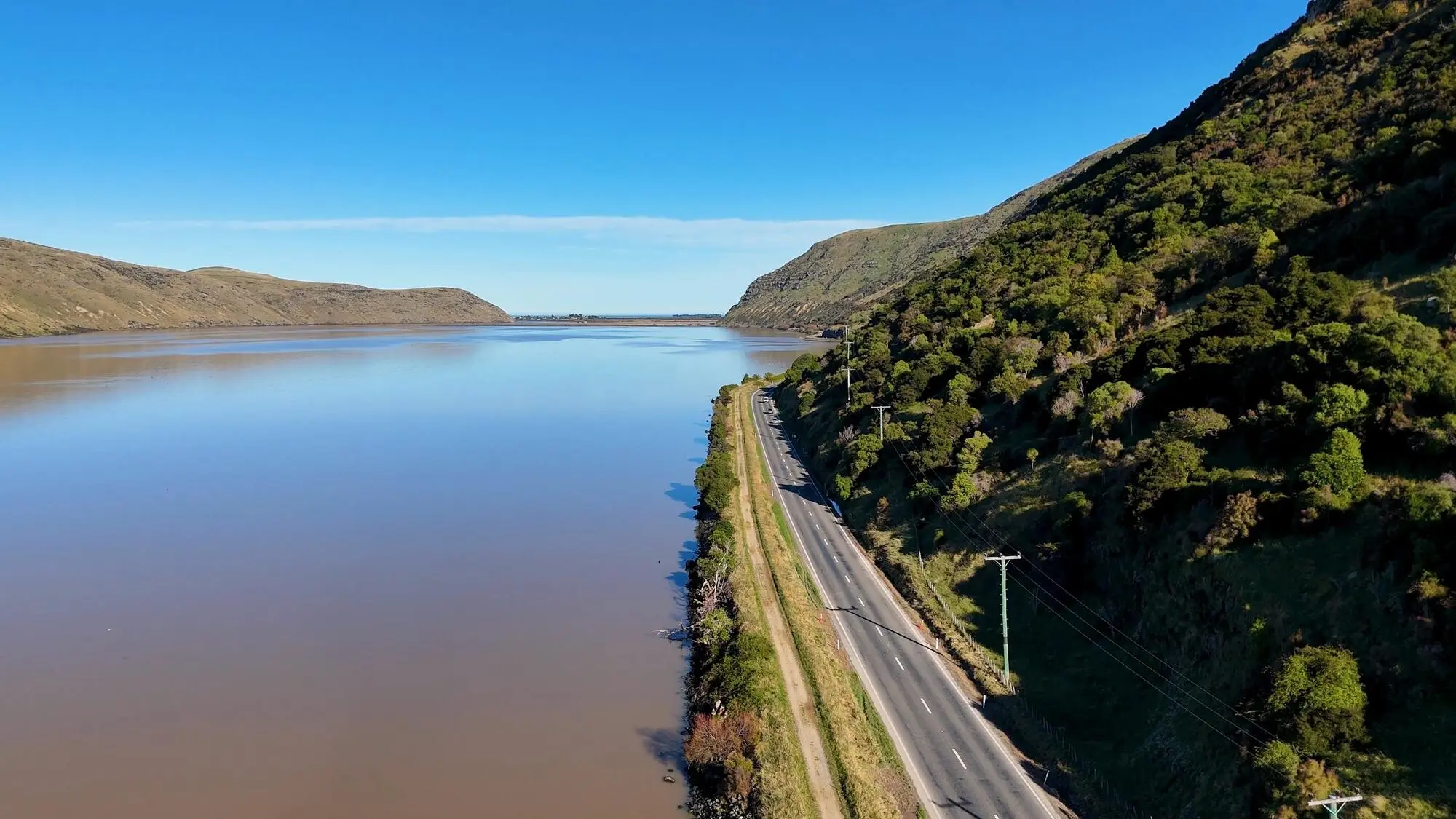
First Light Over Cliffs and Estuary

At first light we set out along dawn birdwatching routes at Seven Sisters and Cuckmere Haven, tracing chalk clifftops and the Cuckmere’s quiet meanders. Expect skylarks spiraling upward, little egrets stitching the shallows, and fulmars shearing the sea air, as mist thins, footsteps soften, and fieldcraft turns sunrise into unforgettable sightings, gentle learning, and shared wonder shaped by tide, weather, and the day’s growing chorus around every bend.

Planning the Pre-Sunrise Start

Choosing a Route Before Night Fades

Decide whether to follow the Cuckmere from Exceat toward the shingle mouth or climb Seaford Head for sweeping cliff views as the horizon kindles. Consult OS mapping and local signs, note grazing herds, gates, and any seasonal restrictions. Factor your pace in dim light, allowing extra minutes for careful footing, silent listening stops, and a first horizon scan that often reveals silhouettes long before color returns to wings and water.

Packing Smart for Sound and Sight

Bring 8x42 binoculars for bright predawn images, a small scope only if you enjoy carrying it, and a lens cloth for salt-mist. Add a headlamp with red mode, windproof layers, thin gloves, a thermos, and quiet snacks. Tuck in a notebook, spare phone battery, and a simple field guide or offline app. Keep camera gear minimal so your focus stays on behavior, calls, and the gentle unfolding of light, not constant adjustments.

Safety, Access, and Respect

Cliff edges are undercut and crumbly; keep well back, especially in low visibility. Stick to signposted paths, close gates, and give livestock a wide berth. Dogs belong on leads in nesting season to protect skylarks and pipits. Check car park opening times and payment, watch slick dew on steps to Hope Gap, and note tides at the river mouth. Carry a charged phone but rely on awareness, kindness, and unhurried choices over rushed adventures.

Riverside Meanders to the Sea

Follow the Cuckmere’s serpentine curves as light loosens from night and reeds catch the first hints of gold. Here, little egrets stitch reflections, curlews murmur over marsh, and redshank flicker along edges. The meanders create repeating vantage lines that slow your pace and sharpen attention. Each bend reveals different wind shelter, water level, and feeding ground, turning one simple walk into a sequence of intimate stages, each tuned to birdsong and tide.

Exceat Bridge to Coastguard Cottages

Begin where the valley breathes widest, pausing on the bridge to catch calls of reed and sedge warblers warming up. The path unfurls toward the iconic cottages, chalk rising beyond. Scan fenceposts for stonechat, river bends for shelduck, open sky for passing swallows. As the sun edges higher, breathe steadily and glass patiently, because distant silhouettes often resolve into peregrine, cormorant, or gull groups commuting along the coast, stitched across morning haze.
Meadow Margins and Grazing Marsh

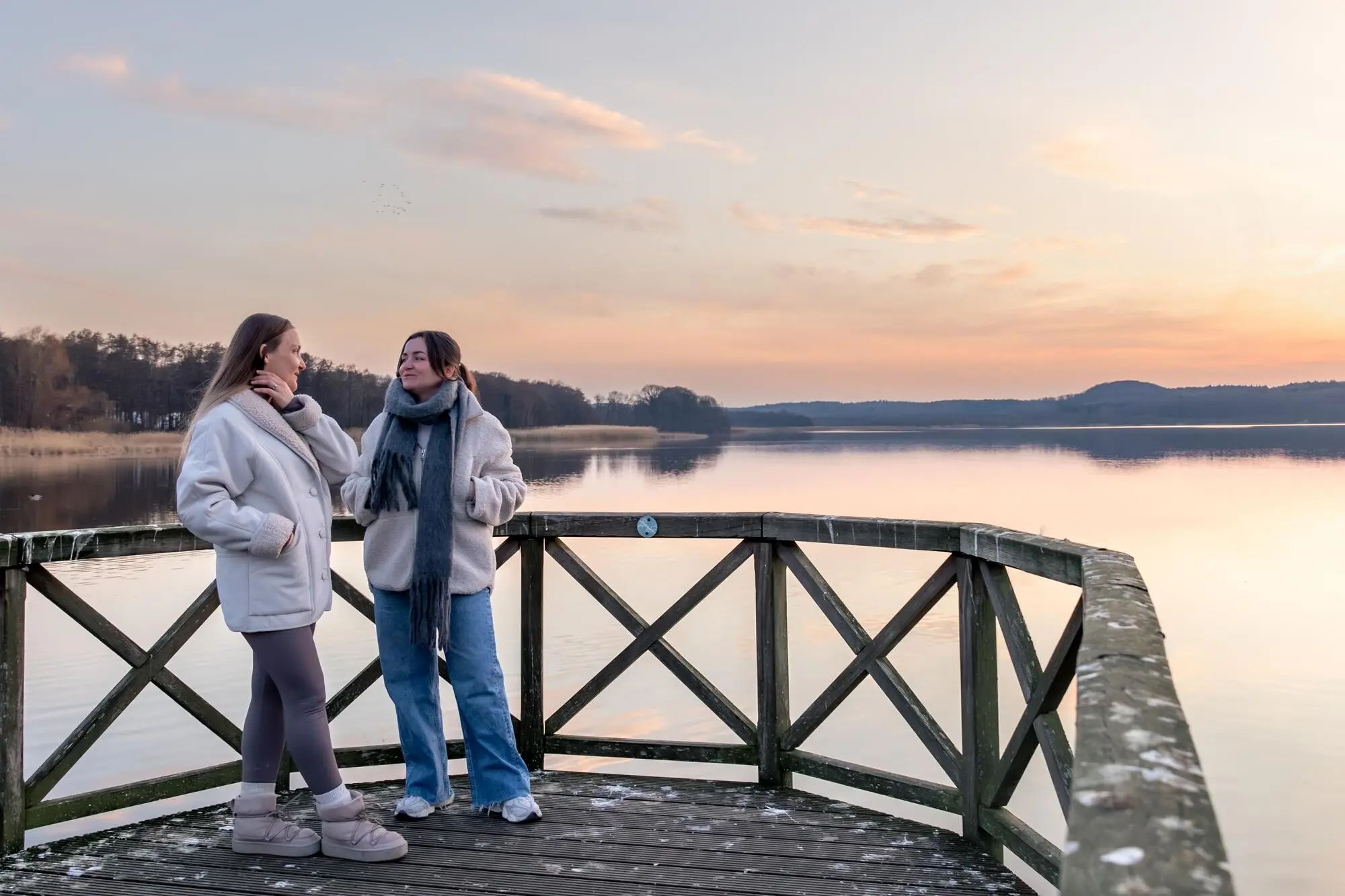
The marsh at dawn feels elastic, stretching sound and distance as larks lift and meadow pipits bounce along invisible ladders of air. Keep low and slow near reeds and ditches, letting movement, not footsteps, set your pace. Early in the year, a barn owl may quarter briefly, pale against bruised light. Later, linnets, goldfinches, and wagtails animate fencelines. Dew loads grasses, so waterproof boots matter as much as a tuned, patient gaze.
River Mouth and Shingle

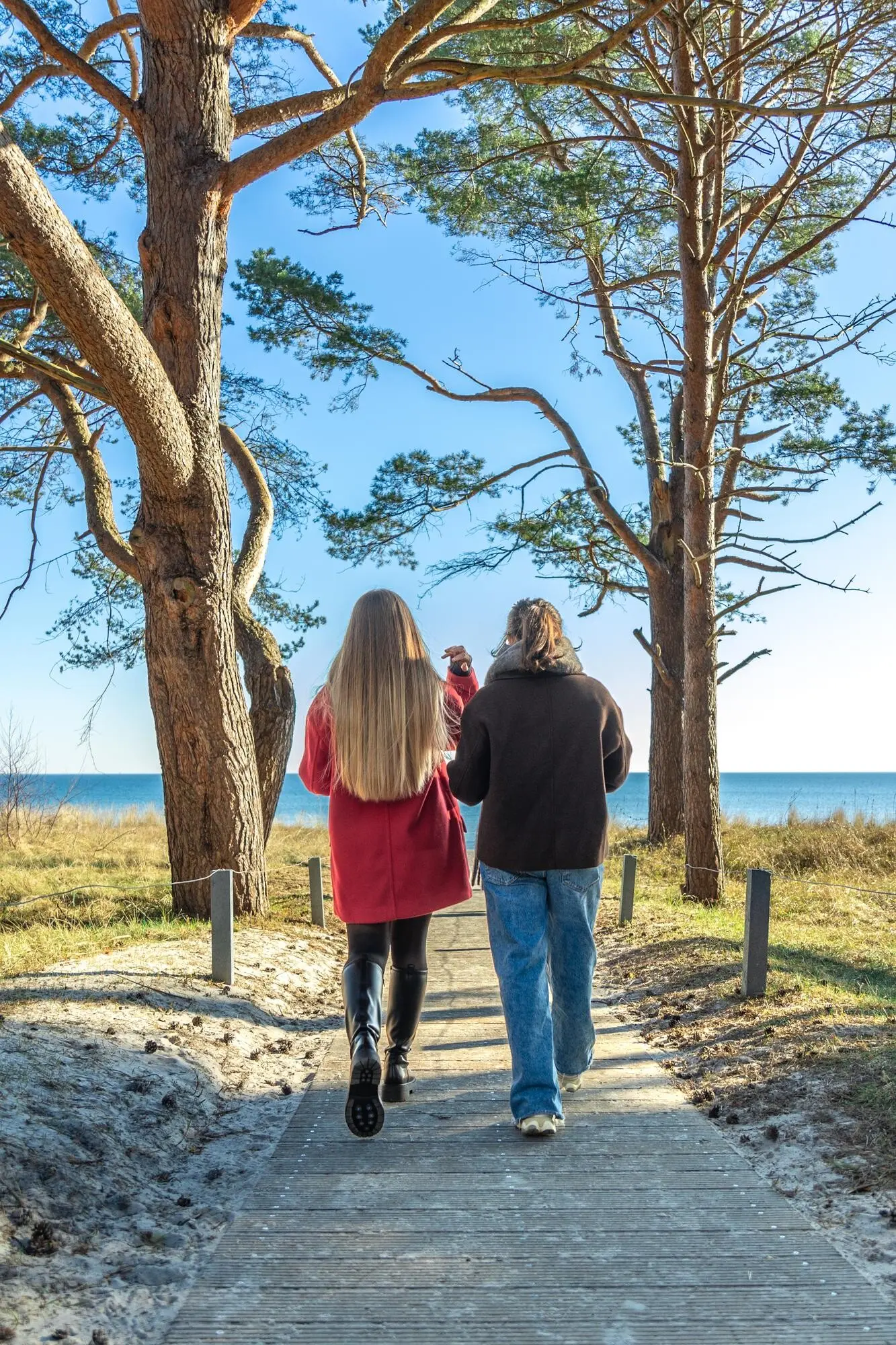
Out on the shingle, listen for oystercatchers piping, ringed plovers flickering along the tideline, and turnstones working weed strands with industrious focus. Rising water compresses feeding zones, gently concentrating life near curves and pools. Scan the surf for diving gannets farther out, and the estuary edge for common gulls, Mediterranean gulls, or a solitary grey seal’s curious head. Keep a generous distance, stay low, and let the shore’s rhythms choreograph every glance.

Clifftop Paths Across the Sisters

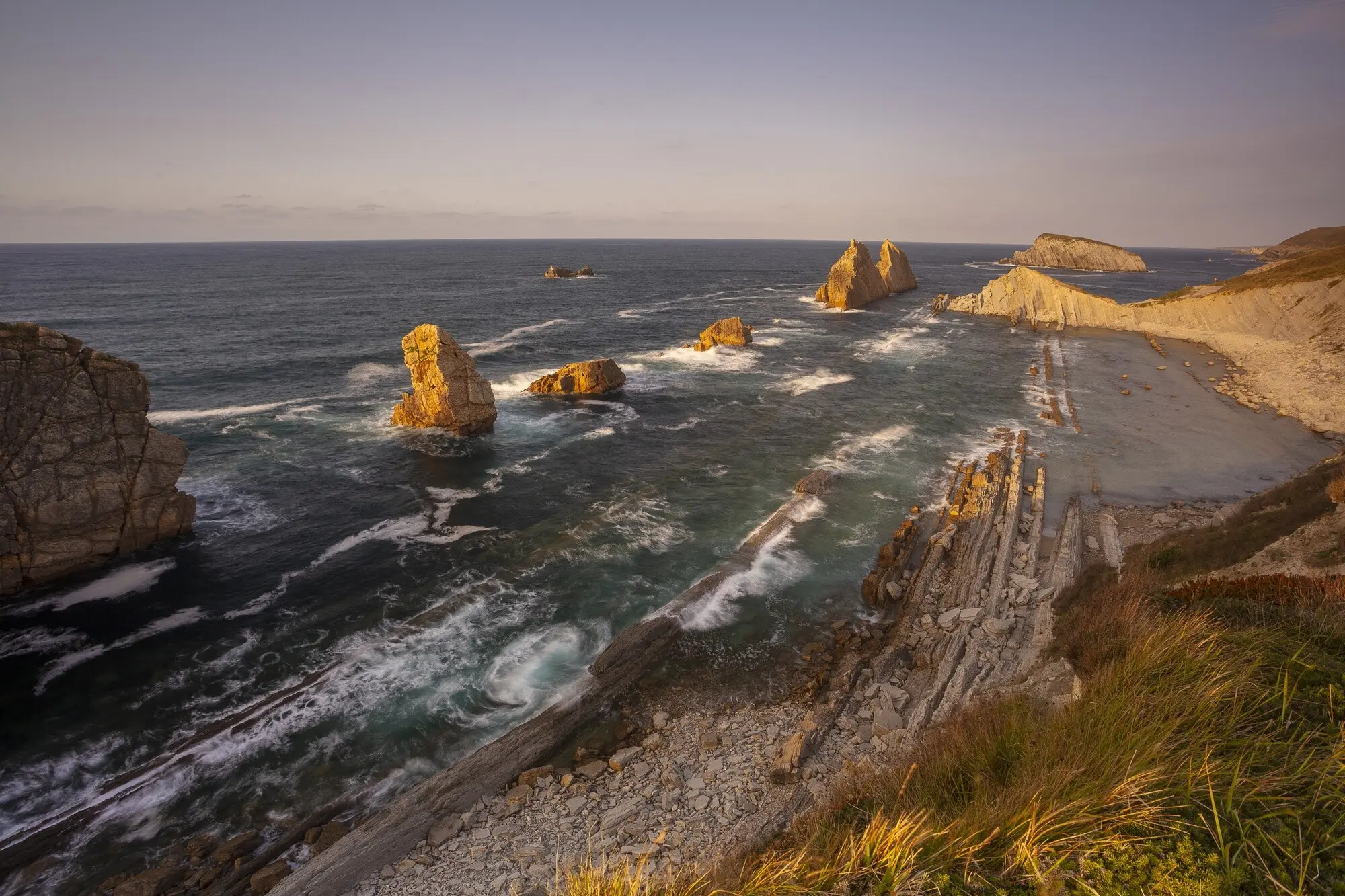
Step onto undulating chalk and the world widens, sea and sky sharing a single, luminous field. Fulmars trace elegant loops on stiff wings, kestrels hover with laser stillness, and on lucky mornings a peregrine cuts the air cleanly. The path links viewpoints like pearls, each rewarding an unhurried stop. Keep safely back from edges, listening to wind tone change, allowing skylark song to rise above the hush, and noticing tiny movements against vast, patient water.

Seaford Head Sunrise Sweep

From South Hill Barn, light breaks in cinematic sweeps, catching chalk faces and the river’s mirrored bends. Track rock pipits below the cliff when the tide exposes weeded ledges, and scan higher for passing terns later in spring. Hold binoculars steady against gusts, using your elbows as natural tripods. Every minute, new details surface: a distant fishing boat, a fulmar’s gray saddle, a gull’s shadow slicing across lime-white cliff plates like moving ink.

Fulmar Ledges and Kestrel Airspace

Fulmars belong to the wind here, close enough that you can feel their confidence in every banking curve. Watch for nest ledges by subtle splashes of white and regular circuits. Above the slope, kestrels stitch the sky with disciplined hovering, unspooling the valley mouse by mouse. Keep scanning; a sudden, compact falcon shape with slate head may announce a peregrine. Let your attention breathe, returning often to the steady, meditative glide of seabirds.

White Chalk, Blue Sea, and Listening

When sightlines grow overwhelming, close your eyes and let sound guide you. Identify skylark cascades, the clipped notes of stonechat, distant gull quarrels drifting from offshore lines, and the low thrum of waves sanding shingle. Reopen your view with renewed focus, prioritizing behavior over checklists. Allow space between scans for simple joy: salt on lips, windbirds writing invisible calligraphy, and sunlight brushing cliff grass as patiently as a painter mixing the morning’s quiet palette.
Woodland Edges and the Dawn Chorus

Friston’s Soft Begin

Beneath beeches and along mixed rides, the air holds a hush that magnifies small sounds: a robin’s crystal syllables, a great spotted woodpecker’s drumroll, or a mist-threaded blackbird prelude. Early warmth pools in hollows, drawing insects and, soon after, hungry eyes. Keep to paths and watch the light tilt through leaves like poured honey. Shift your listening to vertical layers, mapping who sings high, who keeps low, and where brief silences reveal cautious movement.

Scrub Patches and Spring Migrants

Gorse, hawthorn, and bramble host a revolving cast as seasons turn. In April, wheatears hop along fence-lines, bright as scraped flint sparks. Common and lesser whitethroats thread hedgetops, while sedge warblers buzz near wetter seams. Pause where paths meet scrubby corners, letting your eyes adjust to complex texture. Migrants often materialize by posture before color: a flicked tail, a pale eyeline, a clean, upright stance announcing a traveler briefly pausing on ancient chalk.

Quiet Footwork, Big Rewards

Every step matters when birds set their morning routines. Walk with soft hips, place feet mindfully, and avoid rustling through crisp grasses near hidden nests. Stop often, breathe out slowly, and lower binoculars to welcome wider cues. Respect seasonal ropes and signs protecting sensitive ground. The patient rhythm of ten paces, one minute still, can transform sightings, turning nervous silhouettes into intimate moments of preening, foraging, and unbothered calm that earn your presence rather than endure it.

Reading Weather, Light, and Tides

Morning here is choreography: clouds filter color, wind arranges flight paths, and tide draws lines across feeding grounds. A thin overcast can paint feathers with gentle contrast, while broken cloud throws spotlight windows you can anticipate. Onshore breezes bring seabirds closer; calm dawns amplify song. Tide times at nearby harbors inform wader chances at the river mouth. Treat conditions as collaborators, adjusting pace, angle, and expectations to match the day’s living canvas before you.

01

When Clouds Paint Better Photographs

Do not fear gray. High cloud can soften glare on chalk, unlocking detail in plumage and cliff texture. Watch for small breaks that backlight birds into luminous outlines, perfect for storytelling frames. If sun emerges, pivot quickly to catch rim light along the Cuckmere’s curves. Embrace silhouettes when color fights you; behavior and shape can carry a compelling image. Keep ISO flexible, stabilize your stance, and let changing sky teach evolving compositions rather than derail plans.

02

Wind, Waves, and Cliff Thermals

A steady onshore wind pushes fulmars and gulls within perfect binocular distance, dramatizing flight along the cliff face. Stronger gusts favor dynamic images but challenge stability, so brace against posts or backpacks. Later, warming slopes may lift gentle thermals that raptors exploit, though dawn often favors low, deliberate patrols. Gauge wave state too: heavy surf stirs feeding opportunities, while calm seas invite far-off rafts. Align your route to wind direction, harvesting shelter and vantage together.

03

Tidal Rhythms and Wader Windows

Low tide reveals feeding flats and shingle seams; rising water steadily concentrates activity along edges and pools near the meanders. Consult tide predictions for Newhaven or Eastbourne to time your arrival at the river mouth sweet spot. Stay observant: a twenty-minute window can transform a quiet bend into a bustling stage. Remember safety first; avoid slippery weeded rocks and surprise cut-offs. Record tide stage with your sightings so patterns sharpen across future dawn returns.

Breeding Season Boundaries

From spring into summer, skylarks, meadow pipits, and other ground-nesters rely on quiet grassland zones. Keep dogs leashed, step carefully, and avoid lingering in signposted protection areas. Resist flushing birds for photographs or closer looks. The richest moments unfold when wildlife forgets you are there. If you discover an active nest accidentally, retreat immediately and share only generalized notes. These boundaries are invitations to slow down, sharpen listening, and earn trust without leaving marks.

Sharing Sightings Responsibly

Enthusiasm grows community, but precision can endanger sensitive species. Post general locations rather than exact nest spots, and skip playback that stresses singers. When logging to eBird or BirdTrack, add behavior notes that aid science without exposing vulnerabilities. Include tide, wind, and habitat details to teach future you. Celebrate others’ finds generously, and invite questions from newcomers. The most durable culture blends excitement with care, ensuring today’s dawn magic echoes through many seasons ahead.

Supporting the Place That Supports You

Consider donating to local conservation groups, joining volunteer workdays, or simply packing out stray litter after your walk. Favor public transport where possible, or car-share to reduce pressure on popular car parks. Buy coffee from local cafés after sunrise and thank rangers when you meet them. These small gestures compound, funding habitat work, signage, and access. The birds you enjoy depend on healthy places; your ongoing choices can quietly, meaningfully return the favor every visit.

Photographing and Recording the Morning

There is more than one honest way to hold a dawn. Photographs reveal gesture and place; audio holds the chorus; notes turn fleeting details into memory you can revisit and share. Work with the light you have, narrate behavior rather than chase rarity, and keep your footprint feather-light. Reduce gear noise, compose with respect, and let sequences breathe. When the sun is up, reflect, organize, and invite others to walk here, kindly, next time.

Telephoto Patience and Wide-Angle Wonder

A long lens isolates behavior, but the grand story lives in place. Alternate between telephoto stillness and wide frames that hold meanders, cottages, and chalk rhythms. Use natural rests for stability and wait for repetitive actions—hover, glide, preen—to peak. Accept higher ISO in exchange for steadiness and breath-led timing. When birds feel comfortable, compositions deepen. When they do not, step back, switch to landscape scale, and let the coast’s immense geometry carry your narrative.

Field Notes that Sing

Write as you would speak to a friend who could not be there. Note wind, tide, light angle, and behavior: a fulmar’s effortless quarter, a curlew’s bowed silhouette, a skylark outpouring above cattle. Sketch poorly, freely; poor drawings force careful looking. Dictate memo snippets when fingers freeze. Later, transcribe into a simple log, cross-referencing maps and times. These modest rituals transform scattered memories into a growing atlas of mornings you can revisit with gratitude.

Rinomiraviro
Privacy Overview

This website uses cookies so that we can provide you with the best user experience possible. Cookie information is stored in your browser and performs functions such as recognising you when you return to our website and helping our team to understand which sections of the website you find most interesting and useful.